Academic Leadership · Faculty Success · Institutional Strategy

Helping academic organizations thrive.

I'm a Professor of Instruction and Associate Chair for Academics in Biology at The University of Texas at Arlington. My work sits where people and academic systems meet. I want faculty and staff to do excellent work, students to succeed, and research to grow.

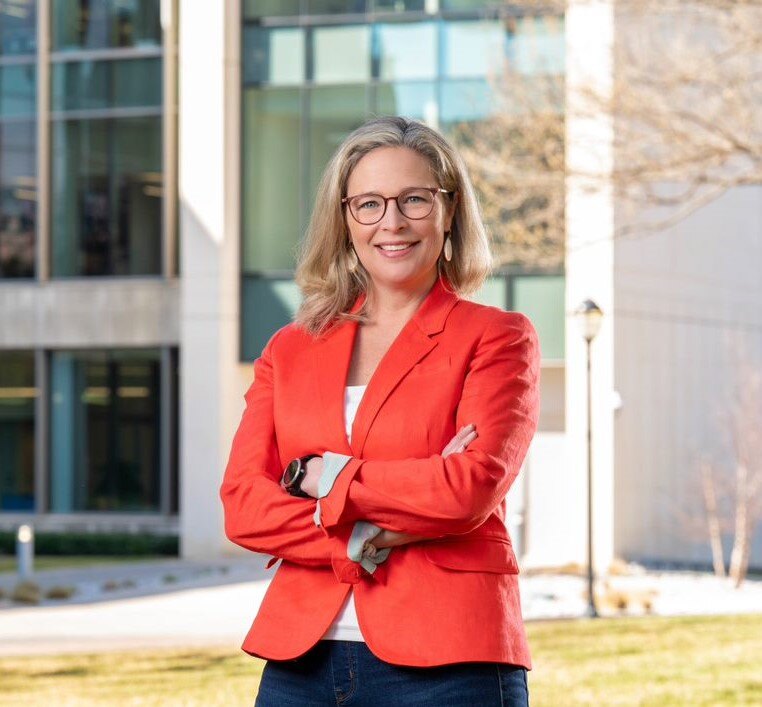
Melissa J. Walsh outdoors on the UTA campus
Melissa J. Walsh, Ph.D.Associate Chair for Academics, BiologyProfessor of Instruction · UTA
18 pointsaverage improvement in success rates across targeted gateway courses
>$300Kin annual student savings through open and affordable materials
~20,000annual course enrollments supported through academic operations
9non-tenure-track faculty recruited and hired

Leadership in context

Leading within a complex academic environment.

I enjoy academic leadership because the work is rarely simple. It means bringing people together around a shared goal, making difficult decisions, and finding a practical way forward. Relationships matter. So do candor and a willingness to work through problems that do not have obvious answers.

At UTA, I help lead a large Biology department within an R1 research university. I mentor faculty and oversee much of the department's academic work. At a research university, those decisions cannot be separated from research. Workload, staffing, and resource planning affect faculty research programs, graduate mentoring, and the people who keep laboratories operating. I also contribute to curriculum strategy and shared governance, and I have led initiatives that improved student outcomes and made education more affordable.

What I do

A university is strongest when its people and purposes move forward together.

Teaching and research do not thrive in isolation. They depend on faculty and staff who are well supported, students who can see a path forward, and systems that make good work possible. I focus on how those pieces connect.

01

Faculty & staff success

My work spans much of the faculty lifecycle. I recruit and onboard new colleagues, mentor faculty through evaluation and professional growth, and address personnel concerns when they arise. This work includes both tenure-track and non-tenure-track faculty, although my responsibilities differ by role. I also value the expertise of academic staff, whose work is essential to strong programs and reliable operations.

02

Academic leadership & strategy

Academic decisions have consequences across a university. A curriculum change may affect staffing, space, budgets, or research capacity. I help anticipate those connections and turn long-term goals into workable plans.

03

Student success & institutional improvement

I have led faculty through large-scale changes to programs and curricula that improved student outcomes while maintaining academic expectations. This includes developing and leading Biology's pilot of accelerated eight-week core courses for campus-based students. The model is now informing broader institutional planning.

How I approach leadership

Leadership should feel human.

01 Listen first

Start with people

I take time to understand what matters to the people I work with. Colleagues are more willing to share ideas and concerns when they know they will be heard.

02 Be clear

Address difficult issues directly

Being supportive does not mean avoiding hard conversations. I set clear expectations, address problems directly, and explain the reasoning behind difficult decisions.

03 Keep perspective

Make complex work feel possible

I am curious by nature and I have a sense of humor. Both help when the work gets complicated. Academic administration is serious work, but it does not need to feel intimidating.

What makes the work meaningful

Helping people succeed strengthens the whole organization.

I find the greatest satisfaction in helping people succeed and seeing an academic organization become stronger because of the work we have done together.

Faculty success · Academic operations · Institutional strategy · Program development

Connect

Let’s talk about academic change.

I welcome conversations about faculty success, stronger programs, and the practical work of moving an organization forward.