Begin with a compelling question
Organize content around problems students want to solve, from why we need to eat to how contaminants move through ecosystems.
Teaching & student success
I love watching students discover that they can ask difficult questions, work with evidence, and understand ideas that once seemed beyond their reach.
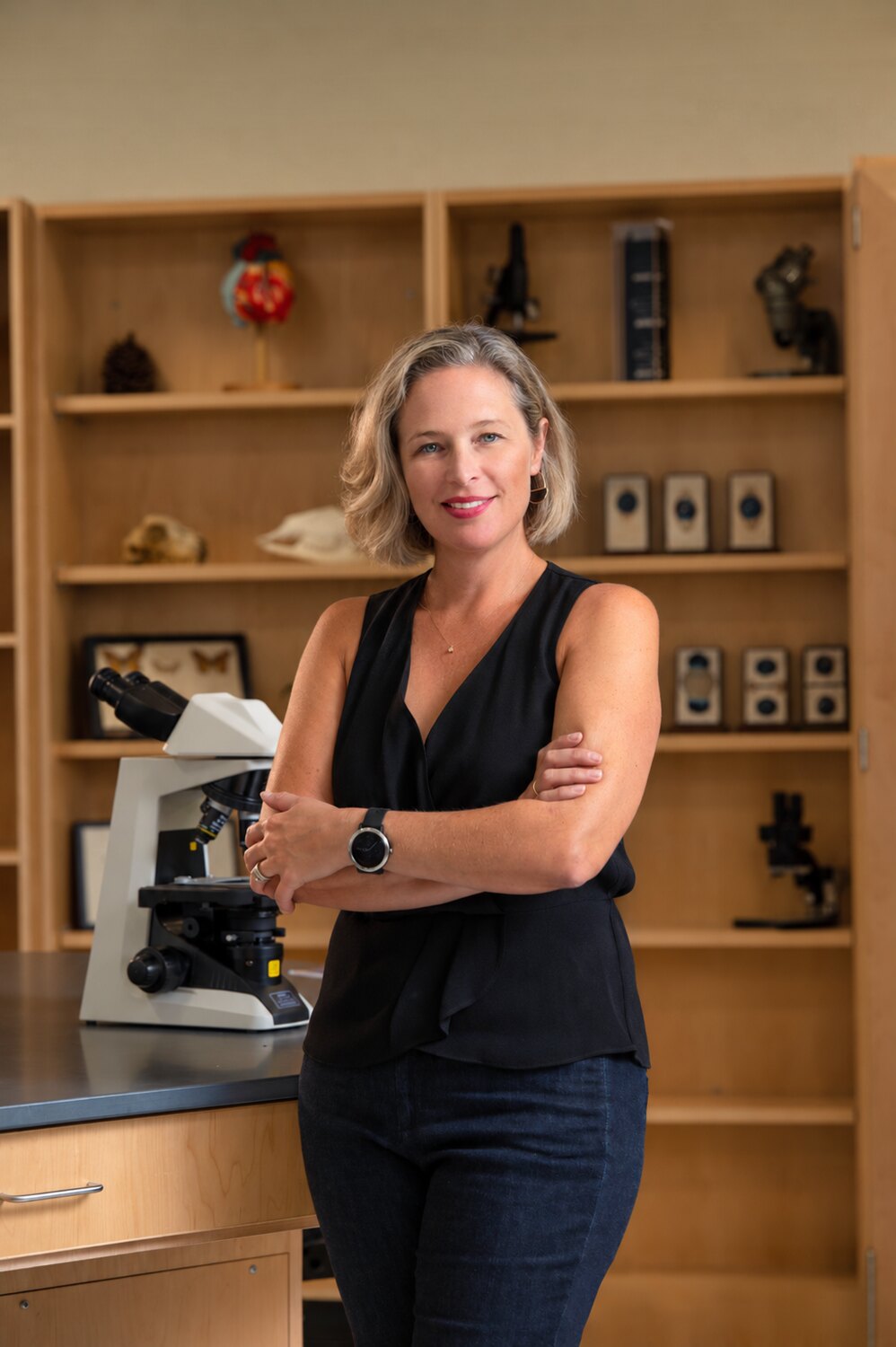
Why I teach
Learning science should feel demanding, relevant, and genuinely exciting.
I bring the same energy to a classroom, a faculty workshop, and an administrative challenge: ask better questions, make the problem visible, and help people discover what they can accomplish.
How I teach
Students do their best learning when expectations are clear, ideas are connected to questions that matter, and they have repeated opportunities to practice thinking like scientists. My role is to create that structure while preserving the curiosity, surprise, and genuine pleasure of discovery.
Organize content around problems students want to solve, from why we need to eat to how contaminants move through ecosystems.
Use cases, data, models, and frequent knowledge checks so students practice explaining how evidence supports a conclusion.
Communicate expectations, learning goals, feedback, and support clearly so students can direct their effort productively.
Help students use emerging tools, including AI, thoughtfully while protecting the original reasoning and scientific judgment that learning requires.
Learning in action
Students move among field observations, quantitative models, community data, and environmental problems to see ecological theory operating in the world around them.
Graduate students analyze realistic contamination scenarios, evaluate evidence, and communicate defensible conclusions.
High-enrollment courses connect core biological concepts to health, society, and everyday decisions while maintaining consistent academic expectations.
Learning that travels
Students should leave a course with more than completed assignments. They should be able to recognize what they have learned, explain what they can do, and carry that evidence into their next opportunity.
Integrate additional skill credentials into existing coursework so students can document applied learning without adding separate courses or credits.
Helps graduating students assemble professional portfolios and prepare for industry, health-profession programs, or graduate education.
A course I designed and teach in which students synthesize their graduate learning through a substantial applied product and prepare for their next professional or educational step.
Beyond my classroom
Some of my most meaningful work has been helping other instructors succeed. Coordinated courses and shared instructional systems can give thousands of students a more consistent, engaging, and supportive learning experience.
Recognition